
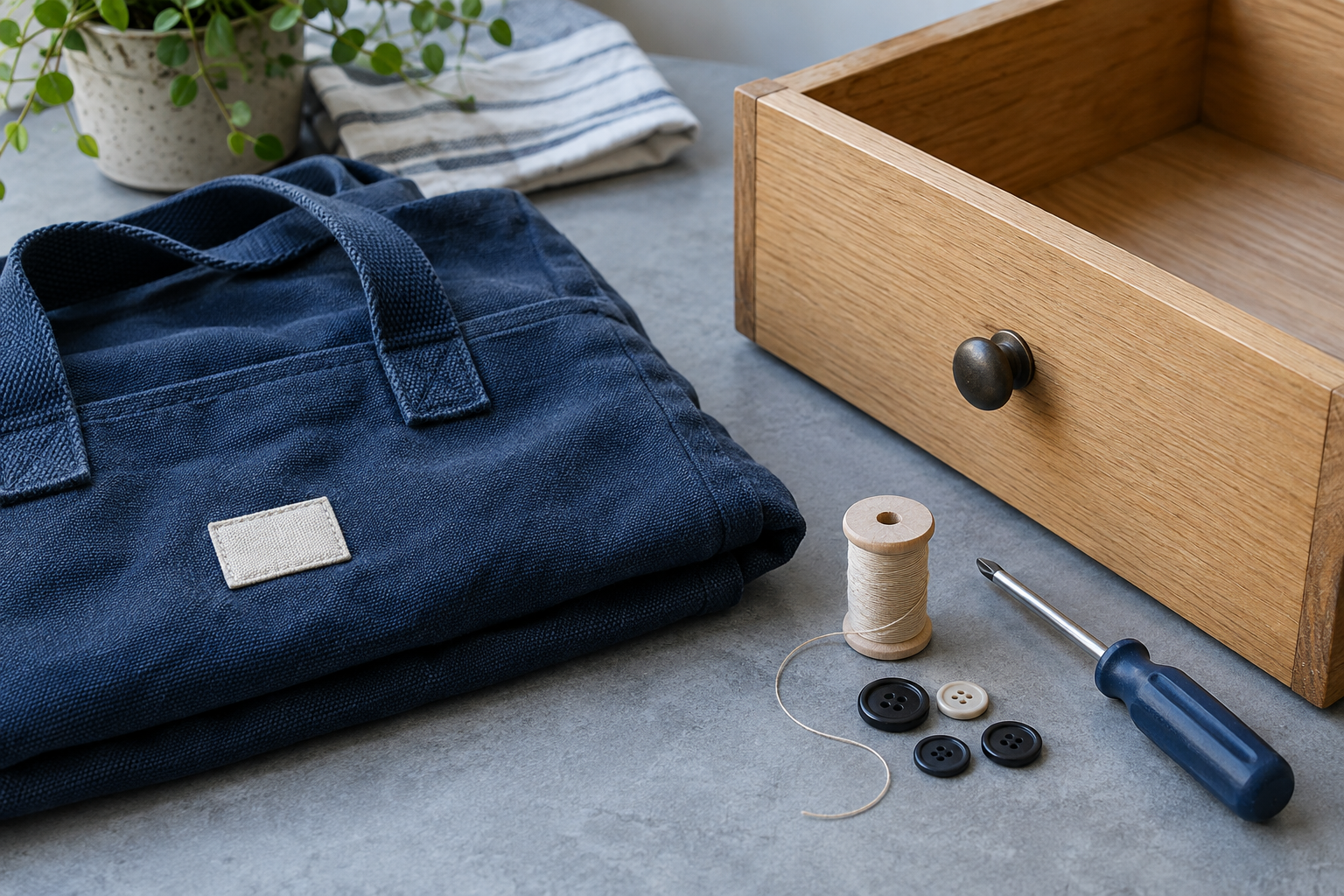
A tool needed for one household job can spend far more time in storage than in use. Borrowing may solve that problem, provided the tool is suitable and the arrangement is clear. Begin by describing the job accurately. The goal is to find the right equipment for the task, not simply to use whatever a neighbour happens to own.
Check the tool's model and instructions, including the accessories and protective equipment it requires. Borrowing does not remove the need to know how to use it safely. If the job is beyond your competence or involves a hazard you cannot assess, seek appropriate professional help. A borrowed tool should not turn an uncertain task into an improvised experiment.
Agree on the practical details
Ask when the tool is available, when it must be returned, and whether the owner is comfortable with the intended use. Clarify which consumables are included and which you should provide. Sandpaper, blades, bits, and other parts can affect both the suitability and the cost of the arrangement. Do not assume every accessory in the case is appropriate for your material.
For example, someone assembling a single piece of furniture may consider borrowing a suitable driver instead of buying a large tool kit. They still need to check the furniture instructions and the correct bit. If the owner needs the tool back before the job can be completed, buying a modest suitable tool or choosing another arrangement may be more practical.
Inspect the equipment together when possible and note existing damage or missing parts. Ask how it should be cleaned and stored before return. Discuss what will happen if something breaks rather than leaving that question to an awkward conversation afterward. A friendly agreement benefits from clear expectations just as much as a formal rental does.
Count the effort as well as the purchase avoided
Collection and return can require two journeys. A free loan across town may be less convenient than an inexpensive local option, especially for a small tool you expect to use again. Compare the complete errand, not just the absence of a purchase price. The owner's time also deserves consideration.
Return the tool on the agreed date with its accessories accounted for. If the project changes, ask before extending the loan or using the tool for another job. Good borrowing arrangements rely on predictable behaviour rather than an assumption that flexibility is unlimited.
After the job, you will know more about the tool and your likely future use. Repeated borrowing may eventually justify buying a suitable model. A single successful loan may confirm that ownership would mainly add clutter. Either result is useful evidence for the next decision.