
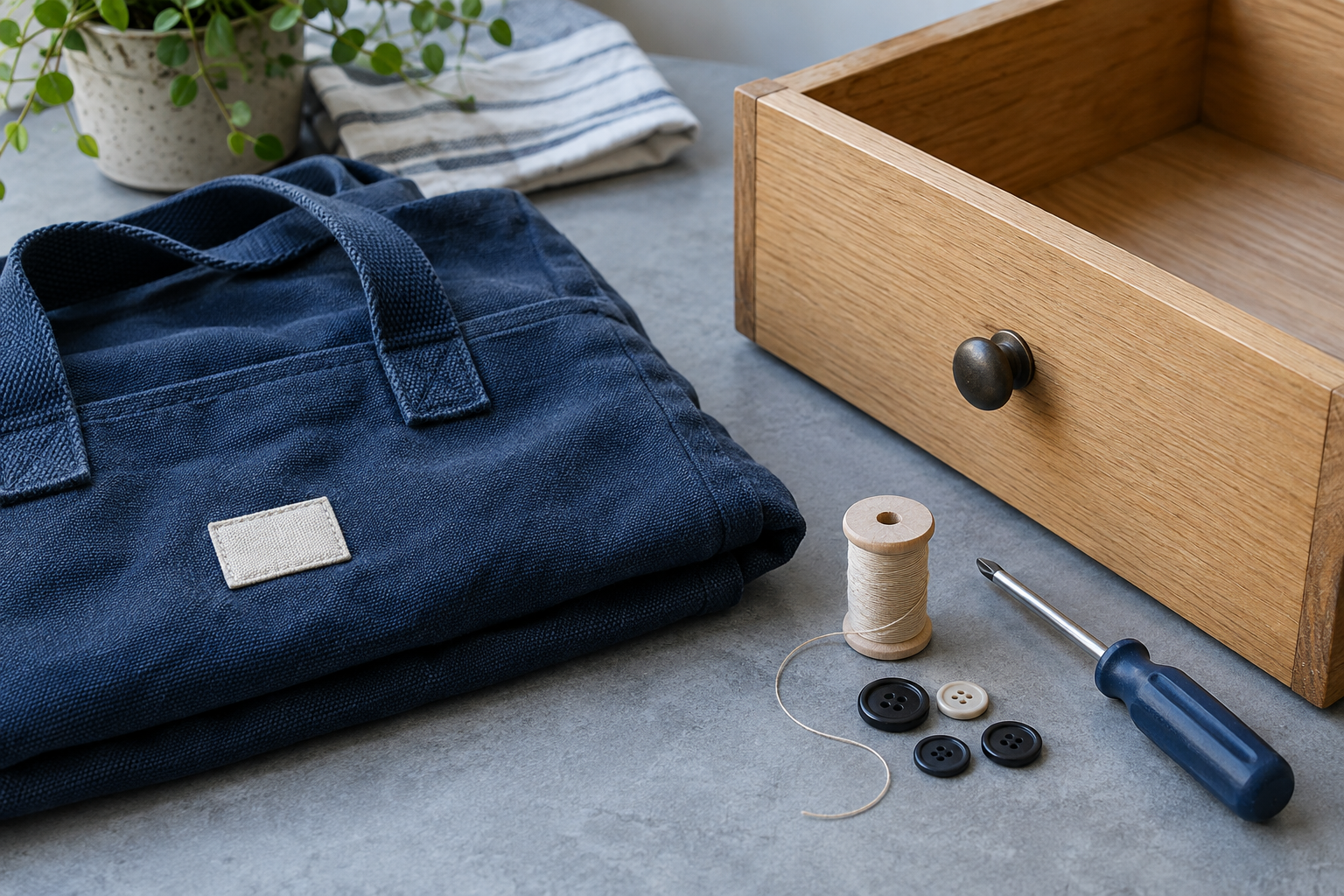
A missing lid, worn wheel, or broken removable component can make an otherwise useful product frustrating to use. Before replacing the whole item, investigate whether an appropriate part is available. The key is compatibility: a component that looks similar is not necessarily suitable for the model or safe for the intended use.
Find the model identifier and the manufacturer's parts information or support channel. Describe the problem clearly and ask which part, if any, is intended for it. Retain photographs and measurements where they help identification. Avoid beginning with the cheapest generic listing and trying to make its description fit your product afterward.
For safety-critical, electrical, gas, or structural components, use the manufacturer's guidance and qualified service where appropriate. Do not improvise a replacement to keep an item in use. A parts search is a way to assess a legitimate repair option, not permission to bypass design requirements or a recall instruction.
Compare the complete repair
Include the part, delivery, tools or labour required, and the possibility that another fault remains. If you cannot establish what has failed, obtain an appropriate diagnosis first. Ordering several speculative components can cost more than a clear assessment and may still leave the original problem unresolved.
Consider a suitcase with a replaceable wheel as an example. A confirmed compatible wheel and manageable fitting process may restore a case that otherwise suits your travel. If the shell, handle, and fastening also need work, the same wheel purchase may have limited value. The condition of the whole object matters alongside the small price of the part.
Check the seller and the written description of the replacement. Confirm the quantity supplied, necessary fixings, and return arrangements if the listed part is wrong. Keep the model reference in your notes so a future search starts with accurate information. Do not assume a seller's use of a brand name establishes authorization or compatibility.
Consider time and future usefulness
Ask whether you can wait for the part and whether the item will still meet your needs afterward. A repair that restores an unwanted or unsuitable product may not be worthwhile simply because it is possible. Conversely, a familiar item that works well for you may justify a modest wait instead of a hurried replacement purchase.
Once the correct part arrives, follow the proper installation instructions and obtain help when the work exceeds your competence. Check the relevant operation as directed before returning the product to use.
Save the part number and receipt if the repair succeeds. That small record can make future maintenance easier. The value of buying a part lies in extending useful service through an appropriate repair, with known costs and requirements, rather than keeping every object indefinitely at any cost.