
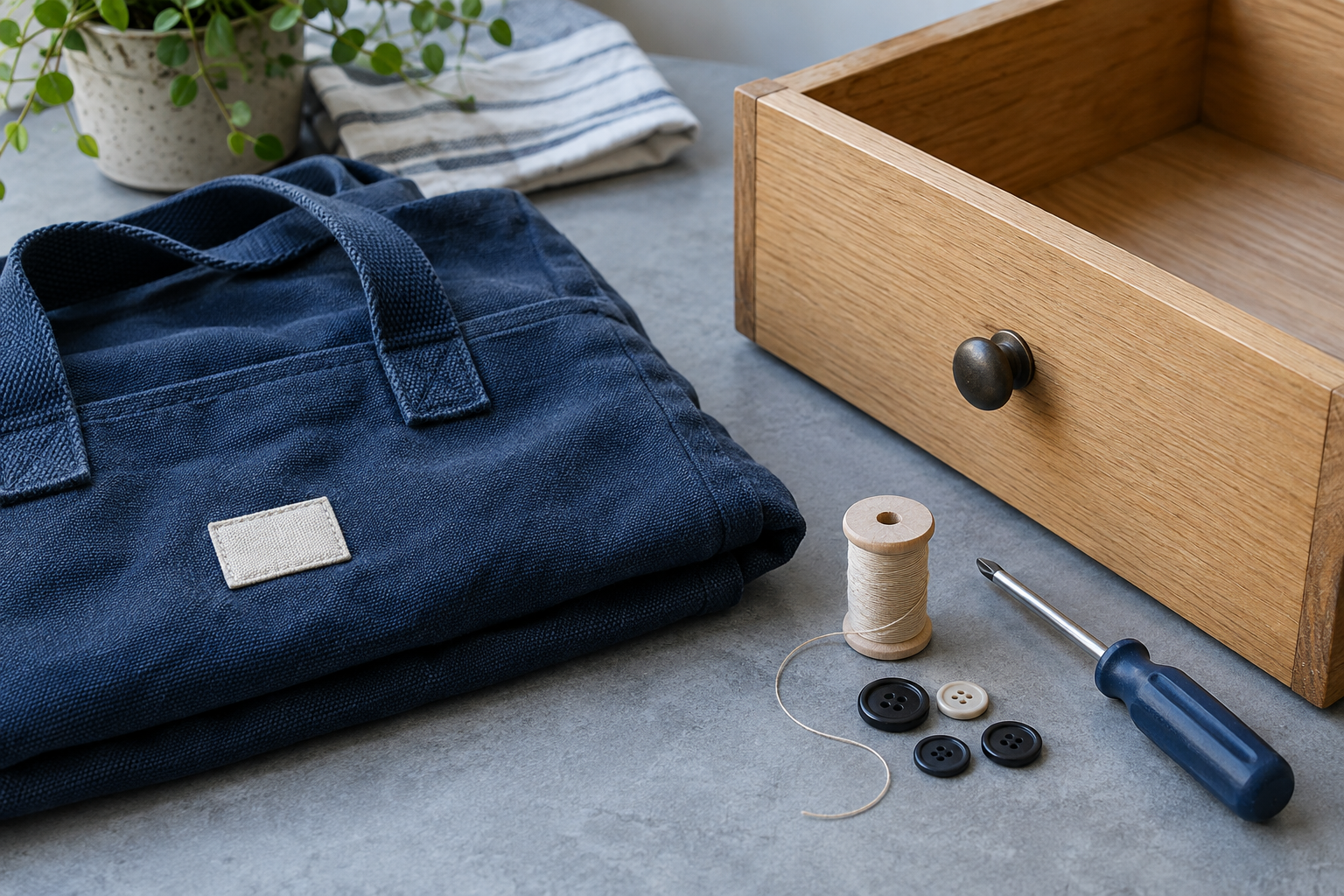
Two products appear to do the same job, yet one costs considerably more. The expensive option may offer something useful, or it may simply be the one you like looking at. Either way, the comparison becomes clearer when you name what the extra money is supposed to buy.
Start with the least expensive option that meets your actual requirements. This is not necessarily the cheapest product in the shop. It must fit, work with what you own, and be suitable for its intended use. Once you have that baseline, compare the higher-priced alternative feature by feature. Ignore additions that would make no difference to your ordinary routine.
For something used frequently, comfort or ease of handling may be a real benefit. A handle you can grip comfortably, a fastening you can operate easily, or a size that fits your workspace might matter more than a long list of specifications. Where a safe demonstration or appropriate trial is available, use it. A photograph cannot fully explain how an object feels in use.
Separate evidence from expectation
Durability deserves attention, but price is not a lifespan certificate. Look for clear construction details, care requirements, available replacement parts, and the scope of any written warranty. Read what the warranty covers and what it excludes. A lengthy advertised period means less if the problem you are concerned about falls outside the terms or requires an impractical return arrangement.
Consider maintenance as part of ownership. A premium material that needs care you will not provide may be a poor match. A simpler product that suits your habits can be easier to keep in good condition. Similarly, a replaceable component is useful only when the part can realistically be obtained and fitted at a sensible cost.
Try two possible futures rather than relying on the most optimistic one. In the first, both products last equally long. In the second, the more expensive one provides the specific improvement you expect. Would you still accept the price difference in the first situation? If not, the evidence supporting the second deserves careful attention. Do not invent a precise lifespan just to make a cost-per-use calculation look favorable.
You may also decide that appearance, craftsmanship, or enjoyment is worth paying for. Keep that reason separate from a claim of guaranteed savings. Check that the extra expense fits the amount available for this purchase without displacing something more important. A considered premium purchase has a reason you can explain in ordinary words. If that reason disappears when the branding is removed, pause before treating the higher price as a practical necessity.