
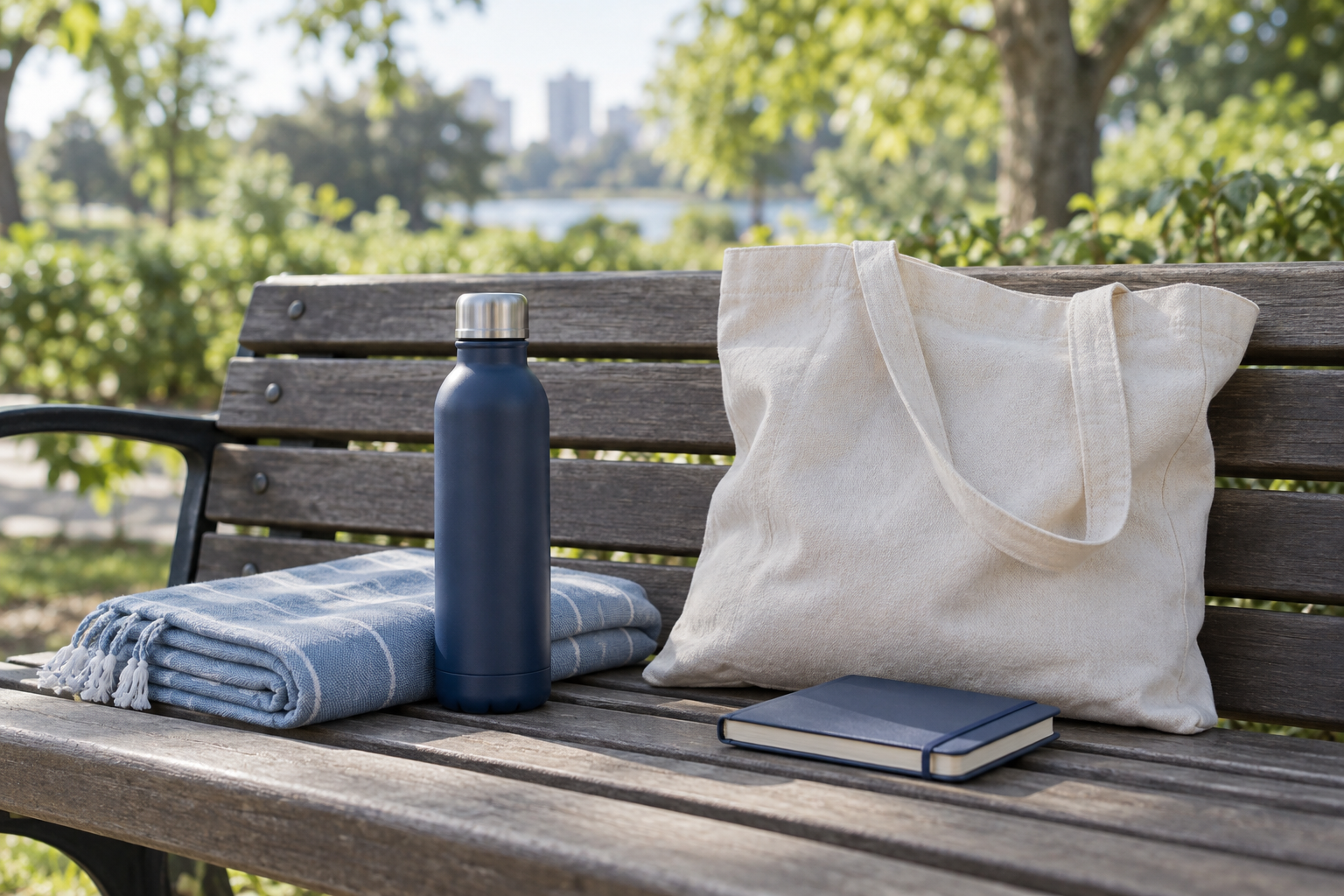
Packing for a short trip can create unnecessary spending before the journey even begins. Special containers, new outfits, extra accessories, and an oversized bag may seem helpful but solve problems the trip does not actually present. Start with the confirmed itinerary and use suitable belongings you already own.
List the days, activities, and likely conditions you need to prepare for. Check current destination information and an appropriate forecast near departure, recognizing that weather remains uncertain. A few ordinary activities usually require fewer specialized items than an imagined itinerary full of every possibility. Choose versatile suitable clothing rather than a separate new outfit for each part of the day.
Read the luggage conditions for the exact transport booking. Allowances, dimensions, weights, and charges vary by service and fare. Do not assume that a bag accepted on a previous trip will meet the present conditions. Check the total cost before adding luggage, and compare that with reducing unnecessary items where it is practical and does not remove something essential.
Inventory small supplies before shopping. Chargers, adapters where needed, toiletries, and other routine items may already be available. Check what the accommodation actually provides rather than guessing. Buying another set solely because the existing one is not yet packed can turn preparation into duplication. A checklist helps reserve familiar items to be added just before departure.
Avoid expensive emergency purchases through a final essentials check. Confirm documents, tickets, required personal items, and the equipment needed for planned activities. Follow official transport and destination rules for restricted items and the relevant guidance for anything requiring special handling. This budget review does not replace those instructions or suggest leaving important needs behind to make a bag smaller.
If traveling with others, coordinate genuinely shareable items without assuming everyone can rely on one person's belongings. Agree who brings what and consider whether people will separate during the trip. Sharing can reduce duplicates, but a plan that leaves someone without access to a needed item may create another purchase at the destination.
After returning, note what was used, what was missing, and what remained untouched. Keep the list as a starting point for a similar trip rather than buying permanent travel versions of everything. A good packing routine reduces avoidable charges and rushed shopping while keeping the journey comfortable. The goal is a suitable bag for the trip you are taking, not the smallest possible bag or a collection of new travel products that makes a short break more expensive.